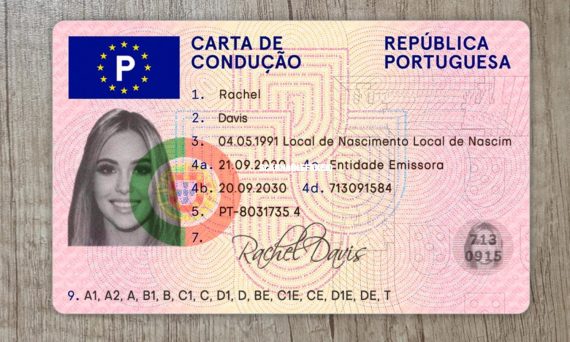
Five Things You Don't Know About Valid Driving License


Understanding the Valid Driving License: Importance, Types, and Frequently Asked Questions
A valid driving license acts as a basic document for people wanting to run an automobile legally. It not only verifies compliance with local laws and policies however likewise ensures that the driver has the essential abilities and understanding to browse streets safely. This post aims to check out the value of a valid driving license, the different types offered, and address regularly asked concerns surrounding the subject.
Importance of a Valid Driving License
A valid driving license is important for several reasons:
- Legal Requirement: Most regions require people to possess a valid driving license when operating any motor automobile. Failing to have Legislação Carta De Condução may result in fines and legal problems.
- Safety on the Roads: A license represents that the individual has completed needed training and assessments. This helps minimize accidents brought on by unskilled motorists.
- Identification: A driving license typically functions as a main type of recognition when needed for various purposes, including travel, banking, and age confirmation.
- Insurance Requirements: Many insurance provider require evidence of a valid driving license before providing coverage. A license indicates that the chauffeur is legally permitted to operate a car, thus decreasing the threat for insurance providers.
- Vehicle Registration: In numerous jurisdictions, vehicle registration is contingent on the owner holding a valid chauffeur's license. This makes it easier for authorities to track responsible ownership.
Types of Valid Driving Licenses
Various kinds of driving licenses are provided based upon the kind of car a person is allowed to run, along with their age and driving experience. The following are common types of driving licenses discovered in various jurisdictions:
| Type | Description |
|---|---|
| Class A | Allows the holder to operate heavy trucks and automobiles with trailers. |
| Class B | Licenses the operation of buses and big automobiles (however not trailers). |
| Class C | Regular guest lorries, including automobiles and little trucks. |
| Class D | Typically for motorcycles and mopeds. |
| Student's Permit | For novice motorists to practice under guidance, generally minimum age needed. |
| Commercial License | Required for motorists operating lorries for organization, specifically in transport and logistics. |
Each type of license has specific requirements and constraints, which can differ by area. Understanding these differences is necessary for individuals planning to get a driving license.
Requirements for Obtaining a Valid Driving License
The process for getting a valid driving license typically involves numerous steps. Though it might vary by jurisdiction, the key requirements often consist of:
- Age Requirement: Candidates need to meet the minimum age to make an application for a specific class of driving license.
- Composed Examination: Many areas require candidates to pass a composed test covering roadway signs, rules, and safety guidelines.
- Vision Test: Applicants frequently must pass a vision test to guarantee they can safely run an automobile.
- Driving Examination: After finishing the required training or practice hours, candidates usually have to pass an on-road driving test showing their ability to manage a lorry.
- Documentation: Valid recognition documents, evidence of residency, and any requirements particular to the region need to be sent.
- Charges: A charge is normally needed upon application and for license issuance.
Keeping a Valid Driving License
Once people get their driving license, it is important to maintain its validity through appropriate attention to the following aspects:
- Renewal: Driving licenses need to be renewed occasionally, typically every 4-10 years depending upon the state or country.
- Upgrading Personal Information: Changes in personal information (such as name or address) must be reported to the licensing authority to keep the records precise.
- Observing Driving Regulations: Adhering to traffic laws and regulations is essential to avoiding fines or revocation of the license.
- Resolving License Suspensions: If a license is suspended due to infractions, it is important to comprehend the regards to reinstatement.
Often Asked Questions
1. What should I do if I lose my driving license?
If you lose your driving license, report it to the local licensing authority to request a replacement. Keep in mind that you may need to offer recognition and pay a cost.
2. Can I drive with an expired license?
Driving with an expired license is illegal in the majority of jurisdictions. It is necessary to renew your license before its expiration date.
3. How long does it require to obtain a driving license?
The timeline depends on numerous aspects, including the applicant's preparedness and the jurisdiction's waiting times for tests. Generally, it can vary from a couple of weeks to numerous months.
4. Do I require a license before getting a complete license?
Yes, numerous regions require brand-new chauffeurs to very first obtain a learner's license, enabling them to practice driving under the guidance of a certified adult.
5. Exist constraints for beginner drivers?
Yes, beginner motorists often deal with constraints, such as limitations on travelers and nighttime driving, to guarantee safety while they gain experience.
A valid driving license is a vital document that not only empowers people to operate lorries legally but likewise guarantees safety on the roadways. Understanding the kinds of licenses, the requirements to acquire one, and how to maintain its validity is important for each prospective driver. By sticking to regional policies and guidelines, individuals can ensure that they stay legally licensed, enhancing roadway safety and compliance with the law.